Antonia’s Story
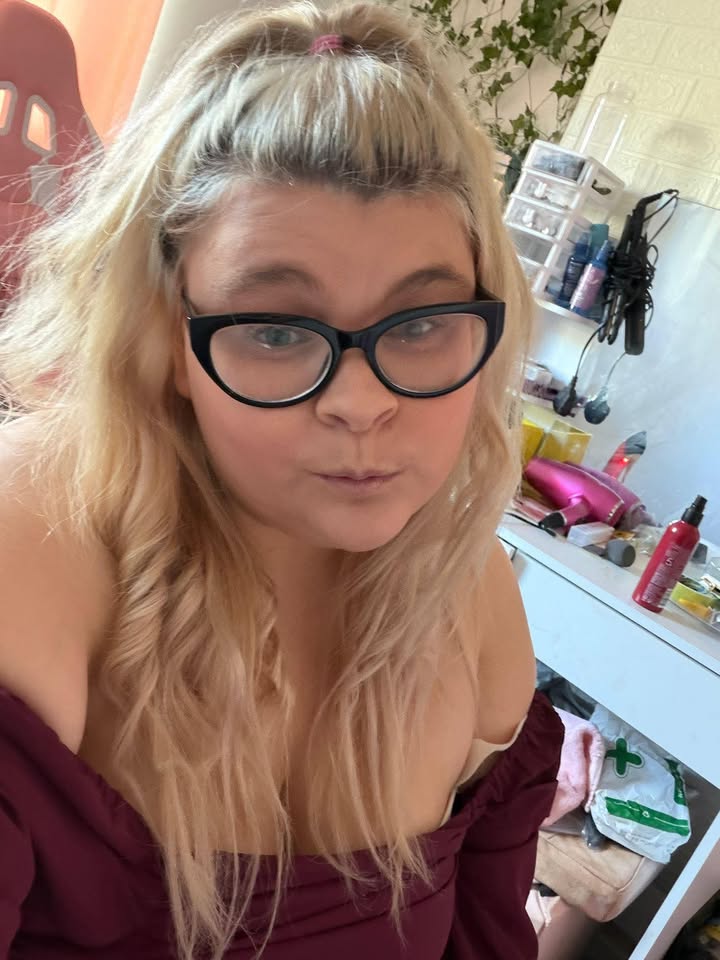
My name is Antonia, and I live with Functional Neurological Disorder — also known as FND.
FND affects the way my brain and body communicate with each other. Even though scans and tests may not always show a clear cause, the symptoms I experience are very real and can completely impact my everyday life.
My journey with FND began last year after I was admitted to the hospital following a severe asthma attack. At the time, I believed I was recovering and preparing to go home. But the day before I was due to be discharged, everything suddenly changed.
Without warning, I experienced sudden paralysis. My body stopped responding properly, and I was terrified. One moment I was preparing to leave the hospital, and the next, I was unable to move normally. Doctors rushed to carry out tests and investigations to try to understand what was happening.
As time went on, I began experiencing more neurological symptoms — seizure-like episodes, weakness, exhaustion, pain, mobility difficulties, and periods where my body simply did not function the way it should. At my worst, I lost so much independence that I could not even feed myself or take myself to the toilet without help. Having to rely on other people for basic things that most take for granted was heartbreaking and humiliating at times. It felt like my entire life had changed overnight.
After investigations and discussions with specialists, I was diagnosed with Functional Neurological Disorder (FND). Receiving the diagnosis brought mixed emotions. Part of me felt relief that there was finally an explanation for what I was going through, but another part of me felt scared and overwhelmed by how much my life had changed in such a short amount of time.
Living with FND means living with unpredictability. Some days I cope better than others, but symptoms can still appear suddenly and affect every part of my life. One of the hardest symptoms I deal with is seizure-like episodes, which can happen up to five times a day. Every episode leaves me exhausted, emotionally drained, and constantly anxious about when the next one might happen.
Recently, my symptoms have become even harder to manage. I now experience severe tics and involuntary movements that can cause me to punch or hit myself without warning. It is frightening to lose control of my own body in those moments, especially when I am fully aware of what is happening but cannot always stop it.
I have also developed worsening bladder problems and now have to live with a catheter. Adjusting to that has been physically uncomfortable and emotionally difficult. Hospital visits, bladder scans, pain, discomfort, and fear have become things I now have to navigate regularly.
The fatigue that comes with FND has changed my life in ways people often do not see. Things that used to feel simple now take so much energy. Some days I cannot even brush my hair without feeling exhausted afterwards. Doing my makeup — something that once made me feel confident and like myself — can now feel overwhelming. Even the things I love most, like drama and acting, have become a struggle because of the physical and emotional toll FND takes on my body.
But I still do them anyway.
I still try. I still push myself to hold onto the parts of me that existed before FND changed my life. Drama and acting remind me who I am outside of my illness. Even when it is difficult, even when I am tired, I refuse to completely give up the things that make me feel alive.
Through all of this, one of my biggest motivations has been my two children. But being a mum while living with FND is something I struggle with emotionally as well as physically. There are days when I feel weak, guilty, or like I’m not the mum I want to be because my body limits me so much. Watching other parents do things easily while I’m fighting just to get through the day can be heartbreaking at times.
But despite those thoughts, I continue showing up for my children every single day, even on the days when I’m exhausted, scared, or struggling. FND may affect my body, but it does not change how deeply I love them. In many ways, this journey has shown me a strength I never realised I had.
Despite everything, FND has shown me how resilient I truly am. I have had to learn patience with myself, rebuild confidence in my body, and adapt to challenges I never expected to face. Some days are incredibly difficult, but I continue fighting for myself and my children.
Alongside my health struggles, I still hold onto the things that bring me joy — gaming, streaming, creativity, and building safe, cosy online spaces where people can relax and feel accepted. Those moments remind me that I am more than my diagnosis.
My FND story is not just about illness. It is about survival, strength, adapting to a life I never expected, and continuing to move forward despite the uncertainty. Even on the hardest days, I’m still here, still fighting, and still learning how to live alongside FND without letting it completely define who I am.
Antonia keep being your amazing self, You light up a room or a call when you come in. Fnd and Calvin do not define the amazing woman and mum you are, you are loved x